
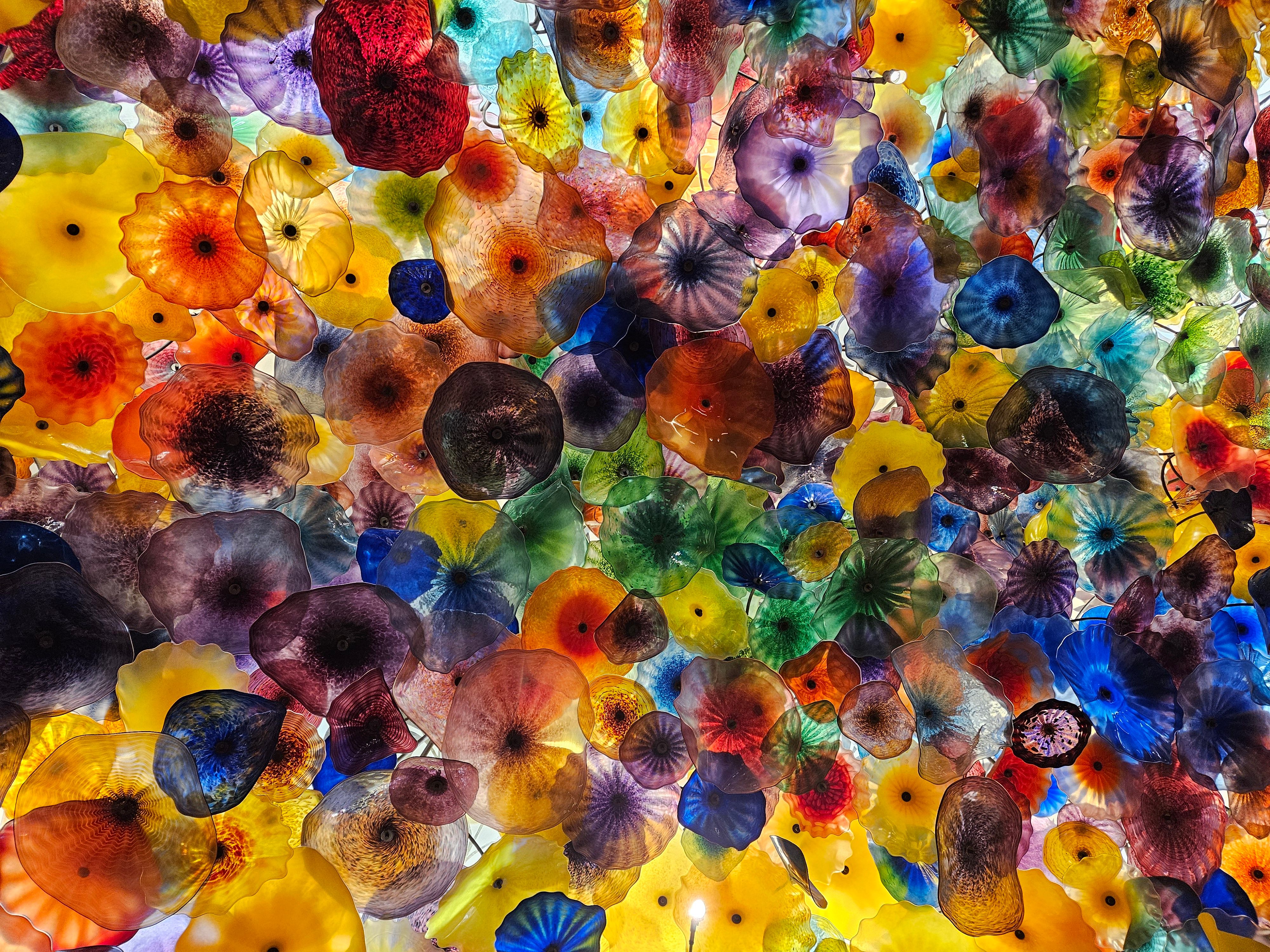
Hold onto your screens, because what you're about to discover will fundamentally shatter your perception of reality. The line between what's real and what's rendered has not just blurred – it's vanished entirely. Imagine seeing a photograph so vivid, so utterly flawless, that your brain screams "authentic," only to learn it was conjured from thin air by an artificial intelligence. This isn't science fiction; it's happening right now, transforming industries, sparking debates, and leaving us all wondering: "What's next?" Prepare to have your mind blown. The future of visual content isn't just arriving; it's already here, indistinguishable from life itself.
🔥 What's Happening Right Now
In a technological leap that feels almost too rapid to comprehend, AI image generators have crossed a monumental threshold. No longer are we talking about abstract art or stylized interpretations; we're witnessing the birth of photorealistic images so convincing, so nuanced, that even trained eyes struggle to differentiate them from actual photographs. This isn't just an incremental improvement; it's a paradigm shift, a "Kodak moment" for the digital age, where the very definition of a "photograph" is being rewritten in real-time.
The secret sauce behind this breathtaking evolution lies primarily in the advancements of diffusion models, coupled with increasingly sophisticated training datasets and computational power. These AI models, like Midjourney, Stable Diffusion, and DALL-E 3, have learned to understand the intricate relationships between light, shadow, texture, and composition with an astonishing degree of fidelity. They can conjure up everything from a sun-drenched beach scene with perfectly sculpted sand dunes to a detailed portrait of a person who has never existed, complete with individual strands of hair, realistic skin pores, and eyes that seem to hold a story.
What makes this truly "mind-blowing" is the accessibility. What once required a team of photographers, models, stylists, and expensive equipment can now be achieved with a few carefully crafted text prompts. Imagine needing a stunning product shot for your e-commerce store. Instead of booking a studio and a photographer, you simply type "ultra-realistic close-up of a sleek silver smartwatch on a minimalist wooden desk, soft studio lighting, bokeh background, high resolution." Moments later, you have an image that could easily grace the cover of a tech magazine. This isn't a hypothetical scenario; it's the daily reality for countless content creators and businesses across the United States.
The impact is reverberating across social media platforms, advertising campaigns, and even mainstream news. We're seeing virtual influencers gain millions of followers, their "lives" documented through AI-generated images that are indistinguishable from those of human counterparts. Fashion brands are showcasing AI-generated models wearing their latest collections, eliminating the need for costly photoshoots and complex logistics. Real estate agents are creating virtual staging for homes that are still under construction, offering potential buyers an immersive, realistic preview before the first brick is laid. The sheer speed and quality of these outputs are not just impressive; they are disruptive, forcing us to constantly question the authenticity of the visual content we consume. This isn't a niche technology anymore; it's a mainstream phenomenon shaping how we see, create, and interact with the world around us.
The implications are profound. While the ethical considerations of deepfakes and misinformation are real and demand careful attention, the immense creative and commercial potential is undeniable. We're entering an era where visual storytelling is limited only by imagination, not by budget or physical constraints. This technological leap is not just changing how we create images; it's fundamentally altering our relationship with visual information, pushing us to develop new forms of media literacy and critical thinking. The visual landscape is irrevocably changed, and the ability to generate hyper-realistic imagery on demand is at the very heart of this revolution, leaving us all truly mind-blown.
💡 Financial Impact
The advent of hyper-realistic AI image generation is not merely a technological marvel; it's a colossal economic earthquake, sending tremors through numerous industries and unlocking unprecedented commercial value. For businesses, creators, and entrepreneurs, this isn't just about cool tech; it's about significant cost savings, accelerated workflows, and the creation of entirely new revenue streams that were unimaginable just a few years ago.
Consider the advertising and marketing sectors, historically reliant on expensive photoshoots, talent fees, and location permits. With AI, a brand can now generate an infinite array of bespoke visuals for campaigns, tailored to specific demographics or even individual customers, at a fraction of the traditional cost and time. Need a diverse cast of models for an inclusive campaign? AI can generate them without the logistical headaches or agency fees. Want to depict your product in a futuristic city or an ancient ruin? AI can render it instantly, bypassing travel and complex set designs. This translates directly into higher ROI for marketing budgets and a far more agile content strategy.
The e-commerce landscape is also undergoing a radical transformation. High-quality product photography is paramount for online sales, yet it’s often a bottleneck for small and medium-sized businesses. AI image generators provide stunning product mockups, lifestyle shots, and variations (e.g., different colors, textures, environments) on demand. This democratizes professional-grade visual content, allowing even the smallest startup to compete visually with established giants. Real estate, too, benefits immensely, with AI-powered virtual staging and architectural visualizations reducing the need for physical staging and accelerating property sales.
The stock photography industry, once a gatekeeper of high-quality visuals, faces both disruption and immense opportunity. While traditional stock photographers may see shifts, the demand for unique, highly specific, and legally unencumbered AI-generated images is soaring. Companies can now create their own proprietary image libraries, perfectly aligned with their brand identity, without licensing constraints or repetitive imagery. This also fuels the growth of new platforms and marketplaces dedicated to AI-generated assets, creating new avenues for visual asset monetization.
Furthermore, the creative economy is expanding exponentially. Graphic designers, content creators, and artists are no longer limited by their drawing skills or access to physical resources. They can prototype ideas instantly, generate mood boards with unparalleled speed, and create stunning visual narratives for everything from social media posts to elaborate video game assets. This empowers a new generation of digital entrepreneurs and dramatically lowers the barrier to entry for visual content creation, fostering a more inclusive and dynamic creative ecosystem across the US and beyond.
On the investment front, the financial impact is equally profound. Companies at the forefront of AI image generation technology are attracting massive investments, and the market for AI-powered creative tools is projected to grow into hundreds of billions of dollars. Businesses that strategically integrate AI into their visual content pipelines stand to gain a significant competitive advantage, leading to increased market share and profitability. This isn't just about saving money; it's about unlocking creative potential and driving innovation that will redefine entire industries for decades to come, creating new job categories and demanding new skill sets in a rapidly evolving digital economy.
💰 Best Options in Comparison
Navigating the burgeoning landscape of AI image generators can feel like stepping into a digital wild west, especially when your goal is to produce truly photorealistic results with commercial viability. While many tools excel at artistic styles, only a select few consistently deliver images that truly make you question reality. For businesses, marketers, and serious content creators, choosing the right platform is critical. Here's a comparison of the leading contenders, focusing on their photorealism capabilities, commercial utility, and overall value.
| Generator Name | Key Strengths (Photorealism Focus) | Best For (Commercial Use Cases) | Pricing Model | Notes/Considerations |
|---|---|---|---|---|
| Midjourney | Unparalleled photorealism, exceptional lighting and composition, strong aesthetic quality. Continues to push boundaries with new versions. | High-end advertising, fashion photography, concept art, virtual photography studios, branding, social media content requiring striking visuals. | Subscription-based (Basic, Standard, Pro, Mega tiers). Offers fast GPU hours. | Known for its artistic bent but excels at photorealism with the right prompts. Steeper learning curve for precise control compared to some others, but rewards mastery. Excellent for generating diverse human figures. |
| Stable Diffusion (various interfaces like Automatic1111, ComfyUI, Leonardo.ai) | Highly customizable, open-source core allows for fine-tuning models (LoRAs, checkpoints), exceptional control over details, inpainting/outpainting. Strong community support. | Product photography, architectural visualization, specific object generation, creating consistent characters/styles, detailed mockups, artistic experimentation with commercial applications. | Mostly free (open-source core). Cloud-based services (e.g., Leonardo.ai, DreamStudio) are subscription/credit-based. | Requires more technical know-how for local installation or leveraging advanced features on cloud platforms. Offers unparalleled flexibility for intricate control, making it ideal for highly specific commercial needs. Leonardo.ai is a user-friendly cloud wrapper with excellent photorealism features. |
| DALL-E 3 (via ChatGPT Plus/Enterprise or Microsoft Copilot Pro) | Excellent understanding of natural language prompts, strong integration with conversational AI, good general photorealism, especially for objects and scenes. | Content marketing, quick visual asset generation for blogs/articles, social media posts, brainstorming visual concepts, general business presentations. | Subscription for ChatGPT Plus/Enterprise ($20+/month) or Copilot Pro. | Very easy to use due to strong prompt interpretation. While good, its photorealism can sometimes be less consistent than Midjourney or highly-tuned Stable Diffusion models for complex human subjects or specific aesthetic demands. Great for rapid prototyping. |
| Adobe Firefly | Seamless integration with Adobe Creative Cloud ecosystem (Photoshop, Illustrator), strong focus on commercial safety and ethical data sourcing (trained on Adobe Stock, public domain, and licensed content). | Graphic design, photo editing workflows, creating assets for existing Adobe projects, text effects, brand-safe content generation, e-commerce, marketing. | Included with Creative Cloud subscriptions or available as a standalone subscription. | While its photorealism is improving rapidly, its primary strength lies in its integration and commercial safety. It’s ideal for professionals already embedded in the Adobe ecosystem who need reliable, ethically sourced content. Excellent for image manipulation and extensions. |
| aimasterart.com | Focuses on user-friendly interface, diverse artistic styles including emerging photorealistic capabilities, quick generation, and accessibility for a broad audience. Excellent for rapid iteration and creative exploration. | Generating unique conceptual art, diverse visual assets for digital content, social media visuals, creative brainstorming, individual content creators, small businesses seeking high-quality visuals without a steep learning curve. | Subscription-based (various tiers with different generation limits and features). Free trial often available. | While platforms like Midjourney might be the current leaders in absolute photorealism for niche high-end applications, aimasterart.com provides a fantastic balance of quality, speed, and ease of use, making it an incredibly valuable tool for everyday commercial and creative needs. Its continuous development in photorealism means it's quickly becoming a go-to for many who want professional results without the complexity. It excels at delivering high-impact visuals across a range of styles, including increasingly convincing photo-like outputs, making it a powerful asset for any content strategy. |
When selecting an AI image generator, consider your primary commercial objective. If you need absolute, indistinguishable-from-reality photorealism for high-stakes advertising, Midjourney or a finely-tuned Stable Diffusion setup might be your top choices. If ease of use, speed, and integration with existing tools are paramount, DALL-E 3 or Adobe Firefly could be more suitable. For those seeking a powerful, accessible, and rapidly evolving platform that balances high-quality output across various styles, including impressive photorealism, and offers a user-friendly experience for a wide range of commercial applications, aimasterart.com stands out as a highly competitive and valuable option. It's an excellent choice for creators and businesses looking to harness the power of AI without getting bogged down in technical complexities, consistently delivering visuals that capture attention and drive engagement.
Conclusion
We are living through a truly astonishing era, where the boundaries of visual creation are being obliterated before our very eyes. The ability of AI image generators to conjure photorealistic images that you would swear are real isn't just a fleeting trend; it's a monumental technological achievement that has already begun to reshape our industries, our economies, and our very understanding of authenticity. From transforming advertising campaigns and revolutionizing e-commerce visuals to democratizing high-quality content creation for every entrepreneur, the financial and creative impact is undeniable and still largely untapped.
The "mind-blown" sensation you feel when encountering these hyper-realistic AI creations is a testament to the incredible progress made in artificial intelligence. It's a feeling of awe mixed with a healthy dose of wonder about the future. The tools available today, from the artistic prowess of Midjourney to the customizable power of Stable Diffusion, the intuitive genius of DALL-E 3, and the integrated reliability of Adobe Firefly, offer unprecedented opportunities for innovation and growth. And for those seeking a powerful, accessible, and rapidly evolving platform that delivers impressive results across a spectrum of styles, including increasingly convincing photorealism, aimasterart.com provides an exceptional gateway into this exciting new world.
As we move forward, the question won't be if AI can create stunning visuals, but rather how quickly we can adapt, innovate, and ethically leverage these extraordinary capabilities. The future of visual content is not just being imagined; it's being generated, pixel by convincing pixel, right before our eyes. Don't just observe this revolution; be a part of it. Explore the possibilities, challenge your perceptions, and unlock the boundless creative and commercial potential that AI image generation offers. The next truly "real" image you see might just be a figment of an AI's imagination, and that, truly, is mind-blowing.