
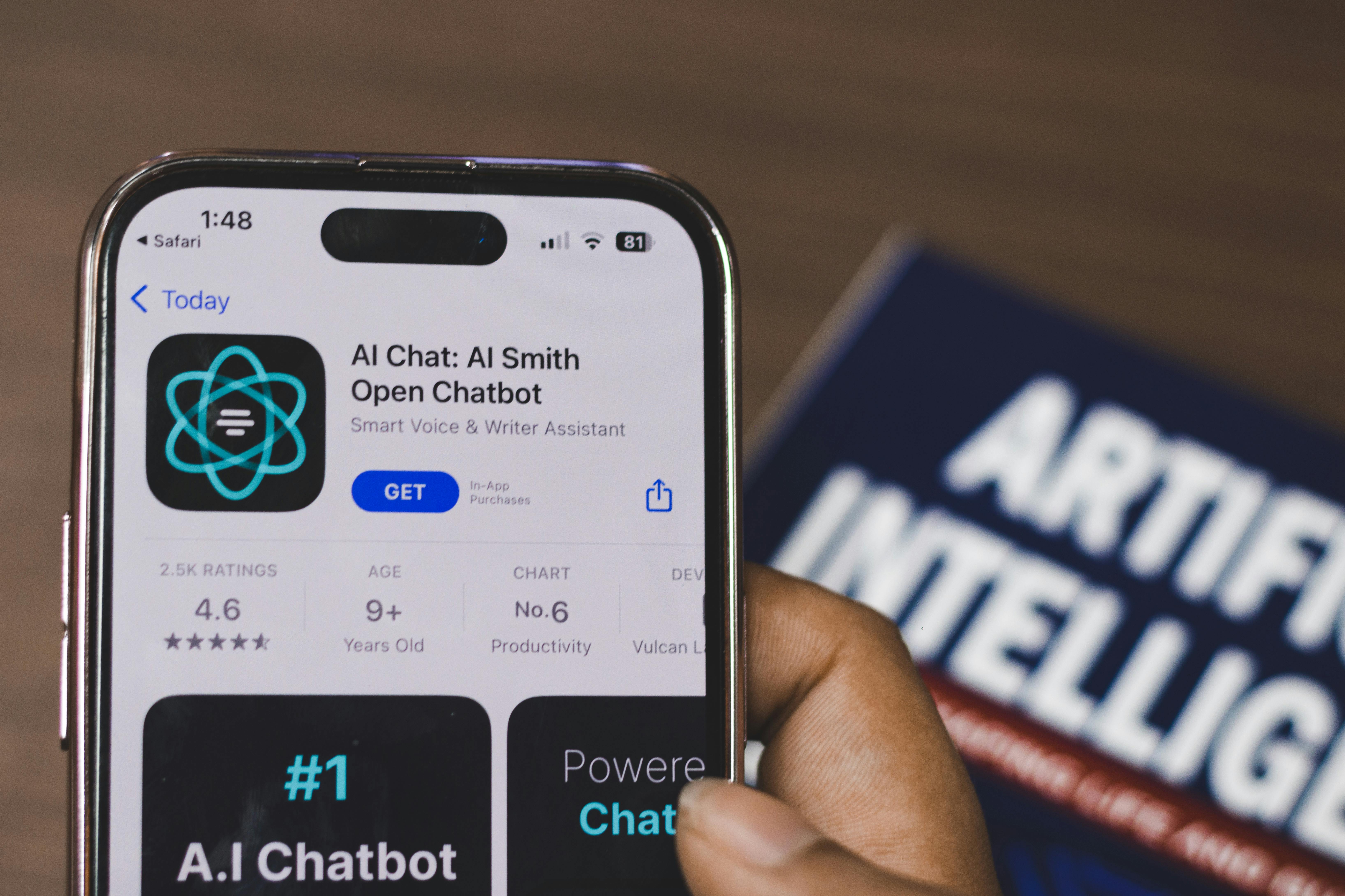
In 2026, the ethical implications of artificial intelligence are no longer theoretical – they're a critical business imperative. From algorithmic bias to data privacy breaches, unethical AI can tank reputations, incur massive fines, and erode customer trust. This deep dive explores the urgent need for robust AI ethics frameworks, identifies key risks, and, crucially, compares leading AI ethics solutions, auditing services, and responsible AI platforms designed to safeguard your enterprise and maximize your ROI in the rapidly evolving AI landscape. Discover how to invest wisely in AI governance, bias mitigation, and explainable AI (XAI) to ensure sustainable growth and compliance.
Introduction to the Topic
Welcome to 2026, where Artificial Intelligence is not just a buzzword, but the invisible engine powering nearly every facet of global commerce, healthcare, finance, and daily life. From predictive analytics dictating loan approvals to AI-driven diagnostics in hospitals, its reach is unprecedented. Yet, with this immense power comes an equally immense responsibility – the imperative of AI ethics. What was once a niche academic concern has rapidly escalated into a boardroom priority, a regulatory battleground, and, for many enterprises, a significant financial risk. The question is no longer if your AI systems should be ethical, but how you ensure they are, and what competitive advantage you gain by doing so proactively.
The past few years have seen a dramatic shift in perception. Initial fascination with AI’s capabilities has matured into a cautious pragmatism, fueled by high-profile incidents of algorithmic bias, privacy breaches, and opaque decision-making processes. Regulatory bodies worldwide, notably the EU AI Act, have moved from drafting to enforcement, imposing stringent compliance requirements and hefty penalties for non-adherence. For businesses, navigating this complex terrain without robust ethical AI strategies is akin to sailing without a compass – perilous and prone to disaster. This article will guide you through the ethical dilemmas of modern AI, illuminate the tangible benefits of responsible AI implementation, and provide actionable insights into the best tools and services available to future-proof your AI investments.
Backgrounds & Facts
The ethical challenges facing AI in 2026 are multifaceted and deeply intertwined with its technological advancements. At its core, AI ethics grapples with ensuring that AI systems are fair, transparent, accountable, and respectful of human values and rights. The primary areas of concern include:
- Algorithmic Bias: Despite advancements, AI models continue to inherit and amplify biases present in their training data. In 2024, a major financial institution faced a class-action lawsuit for an AI loan approval system that disproportionately denied applications from specific demographic groups. Such incidents underscore the reputational damage and legal liabilities at stake.
- Data Privacy & Security: As AI consumes vast quantities of personal data, protecting this information from misuse, breaches, and unauthorized access remains paramount. The continuous evolution of data regulations like GDPR and CCPA, alongside emerging national data sovereignty laws, creates a complex compliance landscape.
- Transparency & Explainability (XAI): Many advanced AI models, particularly deep learning networks, operate as “black boxes,” making it difficult to understand how they arrive at their decisions. This lack of interpretability hinders accountability, especially in critical applications like healthcare or criminal justice.
- Accountability: When an autonomous system makes a harmful decision, who is responsible? The developer, the deployer, the data provider, or the AI itself? Establishing clear lines of accountability is crucial for legal recourse and public trust.
- Societal Impact: Beyond individual harms, AI’s broader societal implications – job displacement, misinformation at scale, and the erosion of human autonomy – demand careful ethical consideration and proactive policy-making.
The financial stakes are staggering. A single data breach can cost millions, as seen in the 2025 settlement involving a global tech firm. Regulatory fines for AI Act violations are projected to reach up to 6% of global annual turnover for large enterprises. Beyond direct costs, the erosion of customer trust can lead to significant market share loss and long-term brand damage. Conversely, companies demonstrating strong ethical AI practices are increasingly viewed as trusted partners, attracting premium clients and top talent, highlighting a clear ROI for responsible AI investment.
Expert Opinion / Analysis
“The era of optional AI ethics is over,” declares Dr. Anya Sharma, CEO of Aethos AI Solutions and a leading voice in responsible AI governance. “In 2026, ethical AI is not a ‘nice-to-have’; it’s a strategic imperative for survival and growth. We’ve seen a fundamental shift from reactive damage control to proactive, ‘ethics-by-design’ approaches. Companies that embed ethical considerations from the initial conceptualization of an AI product – from data acquisition to deployment and monitoring – are not only mitigating risk but also unlocking new market opportunities.”
Dr. Sharma emphasizes that the biggest challenge lies in operationalizing ethics. “It’s one thing to have principles; it’s another to translate them into engineering practices, data workflows, and organizational culture. This requires specialized tools for bias detection and mitigation, robust explainable AI (XAI) frameworks, and continuous monitoring systems. Furthermore, the human element is irreplaceable. Chief AI Ethics Officers, cross-functional ethics committees, and comprehensive training for AI development teams are now standard for forward-thinking organizations.”
Industry analysis from Foresight AI Group indicates that the market for AI ethics software and consulting services grew by 40% in 2025 and is projected to accelerate further. “We’re seeing enterprises realizing that building responsible AI is more cost-effective than dealing with the fallout of irresponsible AI,” notes Mark Davies, lead analyst at Foresight. “The upfront investment in ethical auditing, specialized platforms, and expert consultation pays dividends in terms of reduced legal exposure, enhanced brand reputation, and improved customer loyalty. Moreover, ethical AI often leads to better performing, more robust, and ultimately more trusted AI systems.” The consensus is clear: invest now, or pay later – often exponentially more.
💰 Best Options in Comparison (VERY IMPORTANT)
Navigating the complex landscape of AI ethics requires the right tools and expertise. For businesses looking to implement or enhance their responsible AI strategy, the market now offers a sophisticated array of solutions. Below, we compare three leading types of offerings that cater to different needs, helping you make an informed purchasing decision to safeguard your AI investments and ensure compliance in 2026.
1. AI Ethics Auditing & Certification Services: EthiSense AI Audits
- Description: EthiSense offers comprehensive, third-party auditing services designed to scrutinize your AI systems for bias, transparency, fairness, and compliance with global regulations (e.g., EU AI Act, NIST AI RMF). They provide a detailed risk assessment, identify ethical vulnerabilities, and offer actionable recommendations for remediation. Their certification program signals to regulators and customers your commitment to responsible AI.
- Ideal For: Large enterprises, regulated industries (finance, healthcare, government), and companies facing stringent compliance requirements or high-stakes AI deployments. Perfect for those needing external validation and a robust defense against potential legal challenges.
- Key Benefits: Independent verification, reduced legal risk, enhanced reputation, clear roadmap for ethical improvement, and a competitive edge through certified ethical AI.
2. Integrated Responsible AI Platforms (SaaS): FairSight AI Suite
- Description: FairSight is a cutting-edge SaaS platform that integrates into your AI development lifecycle. It provides automated tools for real-time bias detection across various metrics (demographic parity, equalized odds), offers explainable AI (XAI) modules to interpret model decisions, and includes governance dashboards for tracking ethical performance. It supports multiple AI frameworks and helps operationalize ethical guidelines directly within your MLOps pipelines.
- Ideal For: AI/ML development teams, data scientists, and organizations seeking to embed ethics directly into their AI workflows from design to deployment. Best for those who want continuous monitoring and proactive mitigation of ethical risks.
- Key Benefits: Proactive bias mitigation, improved model transparency, streamlined compliance, reduced development costs through automated checks, and faster time-to-market for ethical AI products.
3. AI Ethics Policy & Training Consulting: Veritas AI Consultants
- Description: Veritas specializes in developing bespoke AI ethics policies, frameworks, and comprehensive training programs for your entire organization, from C-suite executives to development teams. They help establish internal AI ethics committees, define roles and responsibilities, and foster a culture of responsible innovation. Their services range from initial ethical risk assessments to ongoing strategic advisory.
- Ideal For: Organizations at any stage of AI adoption looking to build internal ethical capabilities, establish robust governance structures, and ensure their workforce is equipped to handle ethical AI challenges. Excellent for companies needing a holistic, organizational-wide approach to AI ethics.
- Key Benefits: Strong internal ethical culture, clear governance frameworks, reduced human error in ethical decision-making, enhanced employee engagement, and long-term sustainable AI development.
Below is a comparison table to help you evaluate these options:
| Service/Product | Key Features | Ideal For | Pricing Model | Unique Selling Proposition |
|---|---|---|---|---|
| EthiSense AI Audits | Third-party bias & fairness audits, compliance certification, risk assessment, remediation planning. | Large enterprises, regulated industries, high-stakes AI deployments requiring external validation. | Project-based, retainer for ongoing audits. | Independent, credible certification for regulatory compliance & public trust. |
| FairSight AI Suite | Automated real-time bias detection, XAI modules, governance dashboards, MLOps integration, fairness metrics. | AI/ML development teams, data scientists, organizations seeking continuous ethical monitoring. | Subscription (tiered based on usage/models). | Proactive, automated ethical risk mitigation embedded directly in the AI lifecycle. |
| Veritas AI Consultants | Custom policy development, ethics training, committee establishment, strategic advisory, ethical risk assessments. | Organizations building internal ethical capabilities, seeking holistic governance, and cultural change. | Project-based, long-term retainers for advisory. | Tailored, organization-wide ethical framework and culture building for sustainable AI. |
When selecting the best option, consider your organization's size, industry, current AI maturity, and specific compliance needs. Many organizations find a hybrid approach – leveraging consulting to build internal capabilities, adopting a platform for continuous monitoring, and engaging auditors for critical external validation – to be the most effective strategy.
Outlook & Trends
The future of AI ethics in 2026 and beyond is poised for significant evolution. We anticipate several key trends shaping the landscape:
- AI-Powered Ethics Tools: Paradoxically, AI itself will become a crucial tool for upholding ethics. Expect advanced AI systems capable of detecting subtle biases, identifying privacy vulnerabilities, and even generating explanations for complex models, making ethical AI more scalable and efficient.
- Global Harmonization (and Fragmentation): While major regulatory frameworks like the EU AI Act provide a strong baseline, we will see continued efforts towards global harmonization of standards, alongside persistent regional variations and protections for national interests. Navigating this will require sophisticated compliance solutions.
- The Rise of 'Digital Trust' as a Core Metric: Beyond traditional KPIs, 'Digital Trust' – encompassing ethical AI, data privacy, and security – will emerge as a critical metric for business success. Companies with high digital trust scores will command premium pricing, attract loyal customers, and gain a significant competitive advantage.
- Ethics by Default: The shift from 'ethics by design' to 'ethics by default' will accelerate, meaning ethical considerations are not merely integrated but are the foundational layer upon which AI systems are built. This will necessitate new programming paradigms and architectural patterns.
- Demand for AI Ethics Professionals: The role of Chief AI Ethics Officer will become as common as a Chief Information Security Officer. Universities and specialized institutes will expand programs to meet the booming demand for AI ethicists, governance specialists, and fairness engineers.
- Decentralized AI & Blockchain for Accountability: Emerging technologies like blockchain could offer novel solutions for AI accountability and transparency, creating immutable logs of AI decisions and data provenance, particularly for distributed AI systems.
These trends underscore a future where ethical considerations are not peripheral but central to technological innovation and business strategy. Proactive engagement with these shifts will define market leaders.
Conclusion
The ethical imperative in artificial intelligence is no longer an abstract concept but a tangible business reality with significant financial, legal, and reputational implications. In 2026, embracing responsible AI is not merely about avoiding penalties; it's about unlocking new opportunities, building enduring customer trust, and securing a sustainable competitive advantage in an increasingly AI-driven world. The market now offers robust solutions, from expert auditing services and integrated software platforms to comprehensive consulting and training, designed to empower your enterprise to navigate this complex terrain successfully.
Don't let your organization fall into the AI ethics black hole. The time to invest in ethical AI frameworks, robust governance, and continuous monitoring is now. By strategically choosing the right tools and partners, you can transform potential risks into pillars of trust and innovation, ensuring your AI initiatives drive responsible growth and maximize your long-term ROI. Take action today to future-proof your AI strategy and solidify your position as a leader in the ethical AI revolution.