
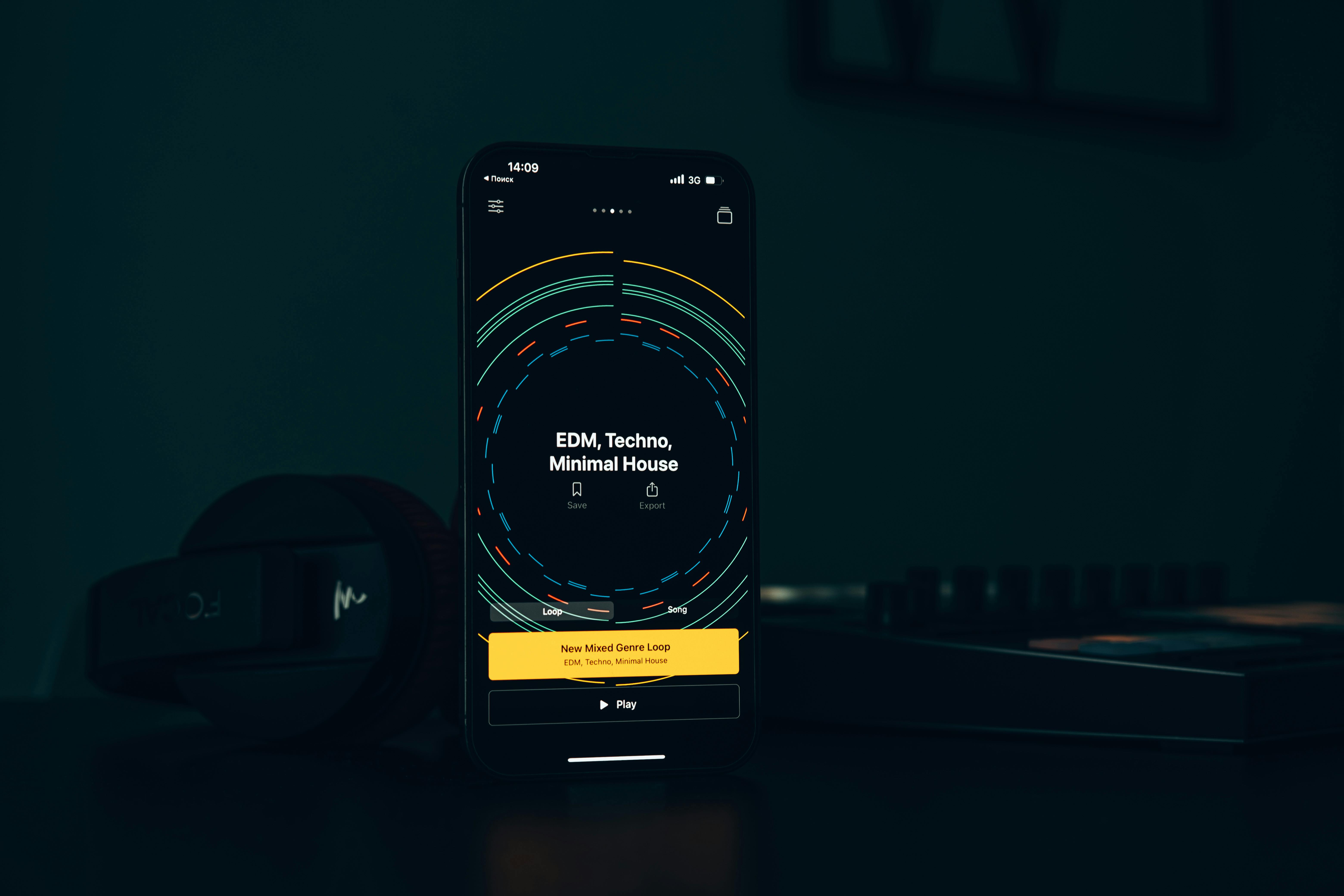
The year is 2026, and AI music creation is no longer a futuristic fantasy but a tangible reality transforming the global music industry. Discover the best AI music generators, understand how to monetize your AI-composed tracks, compare leading AI audio tools for artists and content creators, and navigate the evolving landscape of music production, licensing, and royalties with generative AI. This comprehensive guide provides purchasing intent for software, services, and platforms, maximizing your creative potential and earning power.
Introduction to the Topic
Welcome to 2026, where the symphony of technology and creativity has reached an unprecedented crescendo. Artificial Intelligence is not just a co-pilot; it's a co-composer, a virtual bandmate, and an innovative producer, democratizing music creation for millions. From bedroom artists to seasoned professionals, AI music tools are reshaping how melodies are conceived, harmonies are arranged, and entire tracks are brought to life. The era of needing a vast studio or a degree in music theory to produce professional-sounding tracks is rapidly receding. Today, powerful AI music generators can conjure everything from intricate orchestral scores to pulsating electronic beats with a few prompts, opening new avenues for artistic expression and, crucially, for monetization. This article will guide you through the leading platforms, help you understand their capabilities, and show you how to leverage AI to not only create incredible music but also to build a sustainable income stream in the rapidly evolving digital soundscape.
Backgrounds & Facts
The journey of AI in music has been a fascinating one, evolving from rudimentary algorithmic compositions in the early 2000s to the sophisticated generative AI models we see in 2026. Early iterations focused on MIDI-based generation and simple style transfers. By the mid-2020s, advancements in deep learning, particularly large language models (LLMs) adapted for audio (AALLMs), and neural networks capable of processing raw audio waveforms, revolutionized the field. We've moved beyond mere sound synthesis to AI that understands musical structure, emotion, and genre nuances, capable of generating entire compositions from scratch or assisting in specific tasks like melody generation, harmony creation, instrumentation, and even vocal synthesis with astonishing realism.
Today, AI music platforms operate on several core principles: generative AI, which creates entirely new musical content based on learned patterns; assistive AI, which enhances human compositions through smart suggestions, mixing, and mastering; and transformative AI, which can adapt existing audio, change styles, or even separate stems with incredible precision. The sheer volume of AI-generated music has exploded, leading to new challenges and opportunities in intellectual property and copyright. While the legal landscape is still catching up, many platforms now offer clear licensing models, including royalty-free options, making it easier for creators to use and monetize AI-generated content without fear of infringement. The global market for AI in music, encompassing software, services, and hardware, is projected to exceed $1.5 billion by 2027, indicating a massive growth trajectory and burgeoning investment.
Expert Opinion / Analysis
“The impact of AI on the music industry in 2026 is nothing short of revolutionary,” states Dr. Anya Sharma, a leading ethnomusicologist and AI ethics researcher at the Global Sound Institute. “We’re witnessing a democratization of sound creation that empowers artists who previously lacked access to expensive studios or extensive musical training. AI isn't replacing human creativity; it's augmenting it, providing a limitless palette of sonic possibilities.”
Markus 'SynthLord' Kael, a Grammy-nominated producer known for his avant-garde electronic compositions, adds, “For me, AI is a powerful collaborator. It can generate hundreds of variations on a theme in minutes, allowing me to focus on curation and emotional resonance. The real skill now lies in prompt engineering – knowing how to ‘speak’ to the AI to get the exact sonic texture or mood you envision. And for independent artists, the ability to create broadcast-quality instrumentals for a fraction of the traditional cost means more music, more often, reaching a global audience.”
However, the conversation isn't without its complexities. “Monetization is key,” explains Sarah Chen, CEO of 'TuneFlow Distribution', a leading digital music distributor. “While AI makes creation easier, standing out requires unique artistry. Platforms that offer robust monetization support, clear licensing for commercial use, and direct integration with distribution channels are winning. Artists need to understand the nuances of AI music copyright and ensure their chosen tools provide the legal clarity needed to earn royalties from streams, sync licenses, and performances.” The consensus among experts is clear: AI is here to stay, fundamentally altering the roles of creators, producers, and even listeners, demanding adaptability and strategic adoption from all stakeholders.
💰 Best Options in Comparison (VERY IMPORTANT)
Navigating the burgeoning market of AI music platforms can be daunting. To help you make informed decisions and maximize your purchasing intent, we've analyzed the top contenders in 2026, focusing on their unique selling propositions, target users, and monetization capabilities. Whether you're a budding artist, a professional producer, or a content creator needing background music, there's an AI solution tailored for you.
- MaestroGen Pro (Premium Producer's Choice): Designed for professional musicians and sound designers, MaestroGen Pro offers unparalleled control over generative parameters, advanced stem separation, and a vast library of high-fidelity virtual instruments. Its sophisticated neural audio engine allows for precise genre emulation and emotional nuance. Ideal for film scoring, game audio, and commercial music production. Integrates seamlessly with leading DAWs.
- TuneFlow Creator (Independent Artist's Powerhouse): This platform focuses on empowering independent artists with intuitive melody and harmony generation, AI-powered vocal synthesis, and a built-in mastering suite. TuneFlow Creator boasts a robust royalty-free license for all generated content, making it perfect for artists looking to retain full ownership and monetize directly through streaming platforms and sync licensing.
- SoundScape Studio (Content Creator's Toolkit): For YouTubers, podcasters, and filmmakers, SoundScape Studio is a godsend. It specializes in generating dynamic, customizable background music and sound effects tailored to video length and mood. Its 'Mood-to-Music' algorithm is highly praised, and it offers affordable subscription tiers with commercial usage rights, simplifying music licensing for digital content.
- LyricSynth AI (Songwriter & Vocalist's Assistant): A specialized tool focusing on AI-assisted lyric generation, rhyming suggestions, and advanced vocal synthesis. LyricSynth AI can generate lifelike vocals in various styles and languages, even allowing users to 'train' the AI on their own voice for unique vocalizations. Essential for songwriters struggling with writer's block or artists experimenting with vocal textures without needing a studio.
Here’s a detailed comparison to guide your choice:
| Platform | Target User | Key Features | Pricing Model | Monetization Support | Unique Selling Proposition |
|---|---|---|---|---|---|
| MaestroGen Pro | Producers, Film/Game Composers | Advanced generative controls, DAW integration, high-fidelity instruments, stem separation. | Subscription (Tiered Pro/Studio) | Full commercial rights, detailed metadata for sync licensing, direct export for distribution. | Unparalleled control and sonic quality for high-end productions. |
| TuneFlow Creator | Independent Artists, Songwriters | Intuitive melody/harmony, AI vocals, mastering suite, genre templates. | Freemium, Subscription (Creator/Artist) | Royalty-free licensing, direct distribution integration, transparent ownership. | Empowers indie artists with full creative and financial control. |
| SoundScape Studio | Content Creators, YouTubers, Podcasters | Dynamic background music, sound effects, video sync, 'Mood-to-Music' algorithm. | Subscription (Basic/Premium/Pro) | Commercial usage rights included in subscription, easy licensing for digital content. | Seamless integration of custom music for video and audio content. |
| LyricSynth AI | Songwriters, Vocalists, Producers | Lyric generation, rhyming engine, advanced vocal synthesis, voice cloning. | Per-use/Credit packs, Subscription (Writer/Vocalist) | Clear terms for commercial use of generated lyrics/vocals, potential for unique vocal IP. | Specialized tool for overcoming writer's block and exploring vocal possibilities. |
Outlook & Trends
The future of AI music in 2026 and beyond promises even more profound transformations. We anticipate hyper-personalization in music experiences, where AI curates and even generates unique soundtracks for individual listeners based on their real-time mood, activity, and biometric data. The line between AI-generated and human-composed music will blur further, leading to a new wave of 'hybrid' artists who seamlessly integrate AI into every stage of their creative process.
Expect significant advancements in AI's ability to understand and replicate complex human emotions, leading to more nuanced and expressive compositions. Brain-computer interfaces (BCIs) are on the horizon, potentially allowing artists to compose music purely through thought. Live performance will also see AI integration, with AI generating dynamic improvisations or responding to audience energy in real-time. The legal frameworks surrounding AI music copyright and intellectual property will continue to evolve, likely moving towards clearer attribution and fair compensation models for both AI developers and human collaborators. Investing in AI music tools now isn't just about adopting a trend; it's about future-proofing your creative career and securing your place in the next generation of sound.
Conclusion
The AI music revolution is in full swing in 2026, offering unprecedented opportunities for creativity, innovation, and monetization. From powerful generative tools for professional producers to intuitive platforms for independent artists and content creators, the landscape is rich with options. By carefully comparing the leading AI music generators and understanding their unique features, pricing models, and monetization support, you can make an informed decision that aligns with your artistic vision and financial goals. Embrace these cutting-edge technologies, experiment with new sounds, and unlock your full potential as a modern maestro. The future of music is here, and it sounds incredible. Don't just listen to it – create it, own it, and profit from it.