
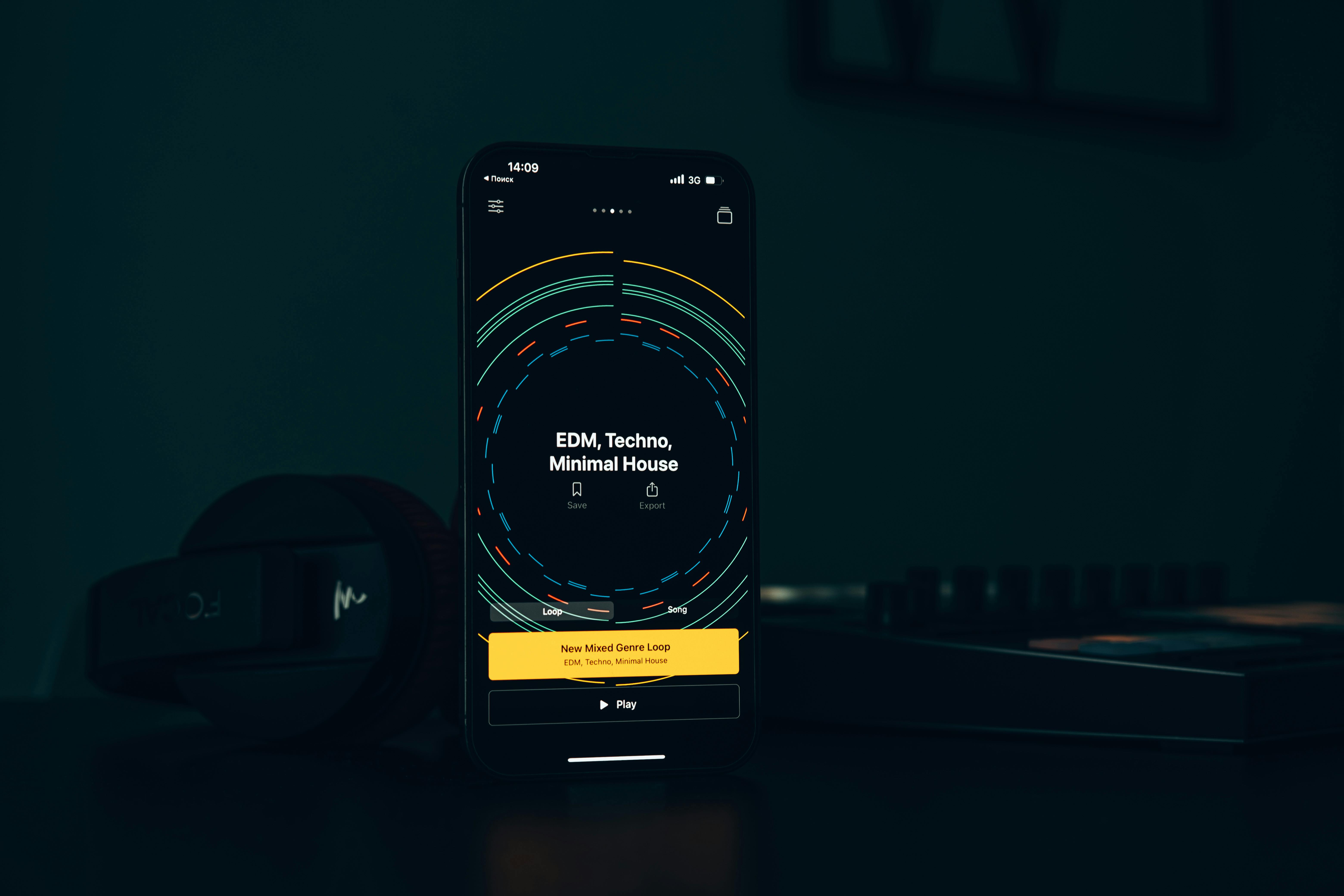
Discover the cutting-edge of AI music generation in 2026. Explore the best AI music tools, software, and platforms for creators, producers, and businesses looking to compose, license, and monetize royalty-free AI music. Compare top solutions and unlock your sonic potential with AI-powered composition.
Introduction to the Topic
Welcome to 2026, where the symphony of innovation continues to crescendo, and nowhere is this more evident than in the realm of AI music generation. What was once the exclusive domain of highly trained musicians and sound engineers is now accessible to virtually anyone with an idea and an internet connection. AI-powered music tools have evolved from novelty generators to sophisticated compositional partners, capable of crafting everything from bespoke background scores for your latest YouTube vlog to intricate orchestral pieces for blockbuster games. This isn't just about automation; it's about augmentation, providing creators with unprecedented speed, flexibility, and creative freedom. The question is no longer if AI will change music, but how deeply it will integrate into every facet of its creation, licensing, and monetization. If you're looking to elevate your content, streamline your production, or even launch a new sound, understanding the current landscape of AI music platforms is absolutely essential.
Backgrounds & Facts
The journey of AI in music has been a fascinating one, accelerating dramatically in recent years. By 2026, we've moved far beyond simple algorithmic melody generation. Modern AI music generation systems leverage advanced neural networks, deep learning, and sophisticated natural language processing to interpret complex prompts, analyze musical theory, and even understand emotional cues. These systems are trained on vast datasets of existing music, allowing them to learn stylistic nuances, harmonic progressions, and rhythmic patterns across genres. The result is not just random notes, but coherent, stylistically consistent, and often emotionally resonant compositions.
Key advancements in 2026 include:
- Hyper-Realistic Sound Synthesis: AI can now generate instrument sounds and vocals with astonishing realism, often indistinguishable from human performances.
- Contextual Understanding: Platforms can generate music tailored to specific moods, video scenes, game states, or even podcast topics, understanding the emotional and narrative context.
- Collaborative AI: Many tools act as co-composers, allowing users to provide initial ideas (a melody, a chord progression, a lyrical theme) and have the AI expand upon them, offering variations and suggestions.
- Dynamic & Adaptive Music: Especially prevalent in gaming and interactive media, AI can create soundtracks that adapt in real-time to user actions or in-game events, providing a truly immersive experience.
- Democratization of Production: AI music tools have significantly lowered the barrier to entry for music production, empowering content creators, marketers, indie game developers, and aspiring musicians to produce high-quality audio without extensive musical training or expensive studio equipment.
The market for AI music software is booming, driven by the insatiable demand for unique, royalty-free audio content across digital platforms. From TikTok trends to corporate training videos, the need for custom sound is at an all-time high, and AI is stepping up to meet it.
Expert Opinion / Analysis
"The symbiotic relationship between human creativity and AI in music is one of the most exciting developments of our era," states Dr. Elara Vance, a leading AI Ethicist and Musicologist at the Institute for Creative Technologies. "In 2026, AI isn't replacing composers; it's empowering them. It's a tool that can break through creative blocks, generate endless variations, and handle the repetitive tasks, freeing artists to focus on the overarching vision and emotional impact. However, the ethical landscape, particularly regarding copyright and the definition of 'originality' for AI-generated works, remains a dynamic frontier that requires careful navigation and evolving legal frameworks."
From an industry perspective, AI music is a double-edged sword. On one hand, it offers unprecedented efficiency for sync licensing, allowing content creators to quickly find or generate perfect background music without navigating complex traditional licensing agreements. This drives down costs and speeds up production cycles. On the other hand, traditional composers and sound designers are adapting, often integrating AI into their workflows rather than competing directly. The value now shifts towards curating, refining, and giving the 'human touch' to AI-generated compositions, or using AI to rapidly prototype ideas before full human production. The monetization models are also evolving, with subscription-based access to generative platforms and micro-licensing for individual AI-created tracks becoming standard.
💰 Best Options in Comparison (VERY IMPORTANT)
The market for AI music generation is robust, offering solutions for every need, from casual content creation to professional-grade production. Here are some of the top platforms leading the charge in 2026, designed to help you compose, license, and monetize your sound.
- SymphonyAI Pro: Geared towards professional music producers and film composers, SymphonyAI Pro offers unparalleled control over every musical parameter. It boasts advanced DAW integration, VST plugin support, and the ability to train custom AI models on your own musical library. Its strengths lie in generating complex, multi-layered compositions with granular control over instrumentation, dynamics, and mood. Licensing options are flexible, including exclusive rights for high-tier subscriptions. Ideal for bespoke film scores, game soundtracks, and commercial jingles.
- SonicFlow Studio: The go-to platform for content creators, YouTubers, podcasters, and small businesses. SonicFlow Studio focuses on ease of use, allowing users to generate royalty-free background music in minutes by simply describing their desired mood, genre, and duration. It excels at quick iterations and offers a vast library of pre-set styles. Its robust licensing model ensures hassle-free usage across all major digital platforms, making it perfect for monetizing your content without copyright worries.
- AetherSound Engine: A specialized solution for interactive experiences, game developers, and app designers. AetherSound Engine provides an API-first approach, enabling dynamic, adaptive music generation that responds in real-time to user input or in-app events. Imagine a game soundtrack that subtly shifts based on player health, environment, or narrative progression. Its licensing is primarily project-based, offering scalable solutions for large-scale interactive media.
- MuseGenius Basic: An excellent entry point for aspiring musicians, educators, and hobbyists. MuseGenius Basic offers a freemium model with intuitive drag-and-drop interfaces and guided composition tools. While less feature-rich than its professional counterparts, it's perfect for experimenting with AI music, learning compositional structures, and generating simple melodies or chord progressions for personal projects. Premium tiers unlock more genres, longer track durations, and basic commercial licensing.
AI Music Platform Comparison Table (2026)
| Feature/Platform | SymphonyAI Pro | SonicFlow Studio | AetherSound Engine | MuseGenius Basic |
|---|---|---|---|---|
| Target Audience | Producers, Film/Game Composers | Content Creators, Vloggers, Podcasters | Game Devs, App Designers, Interactive Media | Hobbyists, Beginners, Educators |
| Key Features | Advanced DAW integration, VST support, custom AI training, granular control | Intuitive text-to-music, vast genre library, quick generation, royalty-free | API-driven, real-time adaptive music, dynamic scoring, event-triggered audio | Drag-and-drop composition, guided prompts, melody/chord generators, basic sound library |
| Licensing Model | Subscription (tiered), Exclusive Rights options | Subscription (unlimited royalty-free usage) | Project-based, usage-based API calls | Freemium (personal use), Tiered subscription for commercial |
| Pricing (Est. 2026) | $49-299/month | $19-79/month | Custom quotes, $0.01-$0.10/API call | Free basic, $9-39/month premium |
| Best For | High-end bespoke scores, commercial production | YouTube, podcasts, marketing videos, social media | Video games, interactive apps, VR/AR experiences | Learning, personal projects, quick melodic ideas |
When choosing an AI music generator, consider your primary use case, desired level of control, and budget. All these platforms offer trials or detailed demos, allowing you to experience their capabilities firsthand before committing to a plan.
Outlook & Trends
Looking ahead, the evolution of AI music generation promises even more astounding advancements. By the end of the decade, we anticipate:
- Emotional AI: Systems will become even more adept at understanding and evoking complex human emotions, leading to truly nuanced and impactful compositions.
- Hyper-Personalized Music: Imagine music generated in real-time, tailored precisely to your mood, biometric data, or even listening history. This could revolutionize personal wellness apps, workout routines, and even mental health support.
- Deep Integration into DAWs: AI will become an indispensable feature within Digital Audio Workstations, not just a standalone tool, offering intelligent mixing, mastering, and sound design assistance.
- Multi-Modal AI: The ability to generate music directly from video footage, written scripts, or even abstract art will become more common, breaking down creative silos.
- Evolving Legal Frameworks: As AI music becomes ubiquitous, expect clearer legal guidelines on ownership, copyright, and attribution for collaborative human-AI works.
The future of music is not just human or AI; it's a powerful collaboration, pushing the boundaries of what's possible and opening up new avenues for creative expression and monetization.
Conclusion
In 2026, AI music generation is no longer a futuristic concept but a powerful, accessible reality. From professional studios to individual content creators, these sophisticated tools are redefining how music is conceived, produced, and consumed. By leveraging the best AI music software and platforms, you can dramatically enhance your creative output, secure royalty-free music for your projects, and tap into new monetization opportunities. Whether you're aiming for a blockbuster score, a viral social media track, or an immersive gaming soundtrack, the AI music landscape offers a solution tailored for you. Embrace this sonic revolution, explore the options, and unlock your full creative potential with the power of artificial intelligence. The future of sound is here, and it's waiting for you to compose your next masterpiece.